Deputy Minister Nimoni: Addressing war crimes remains one of the most the irreplaceable priorities of the Ministry of Justice
Prishtina,
08/07/2026
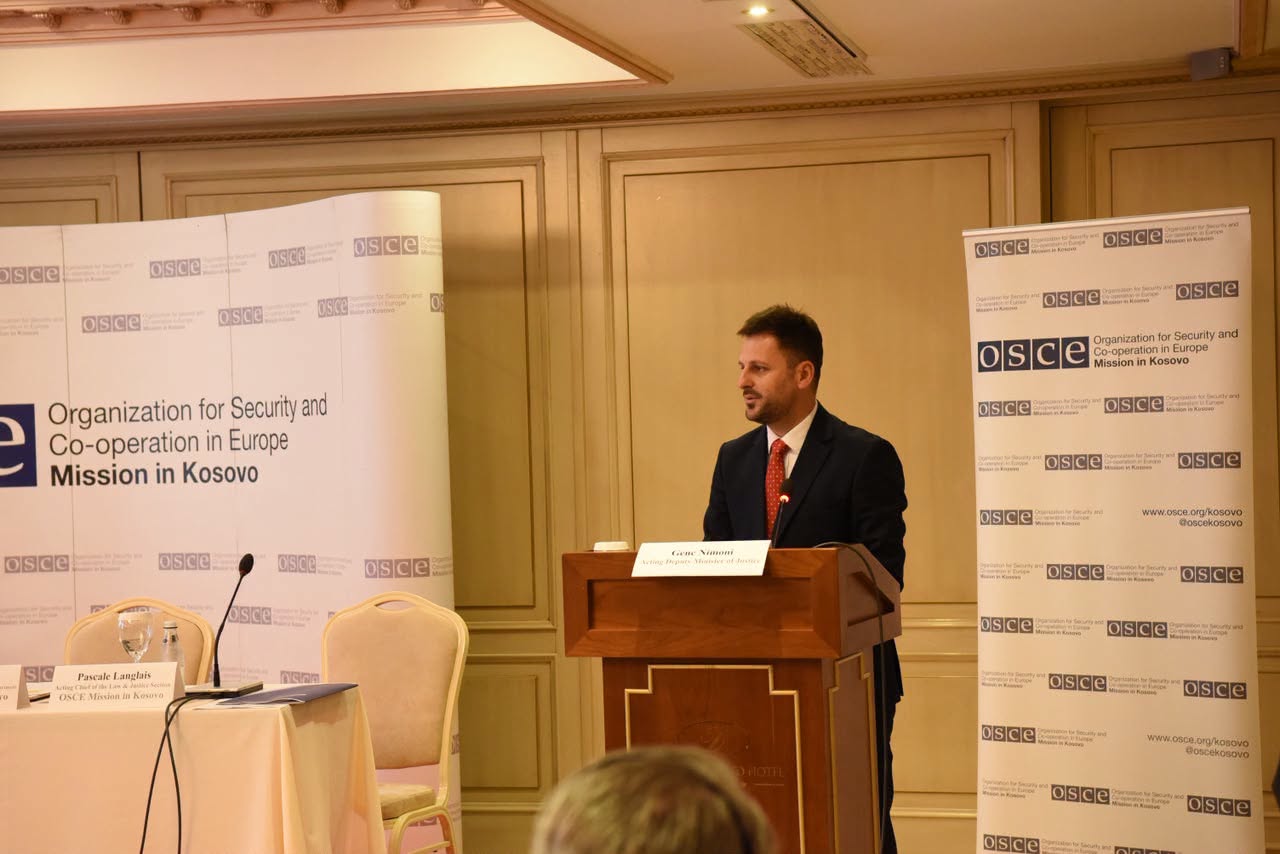
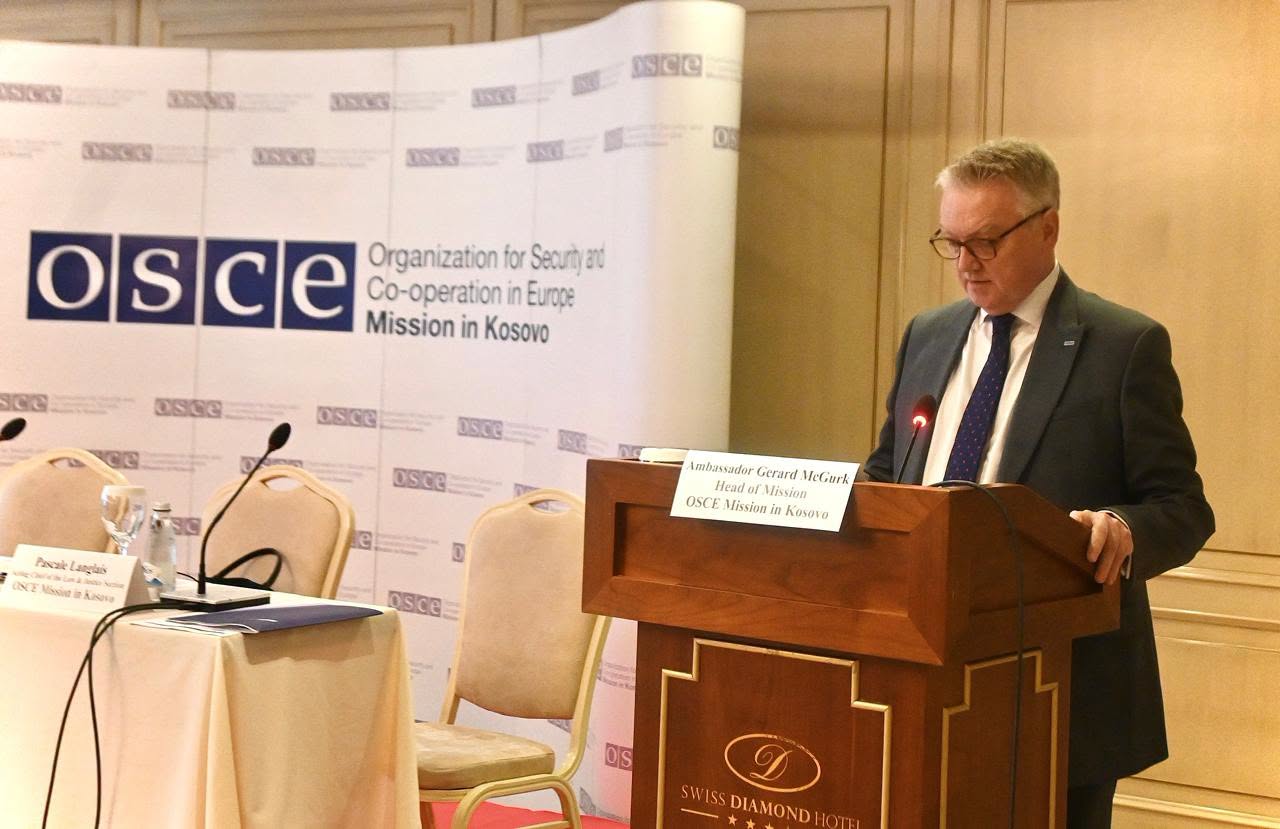
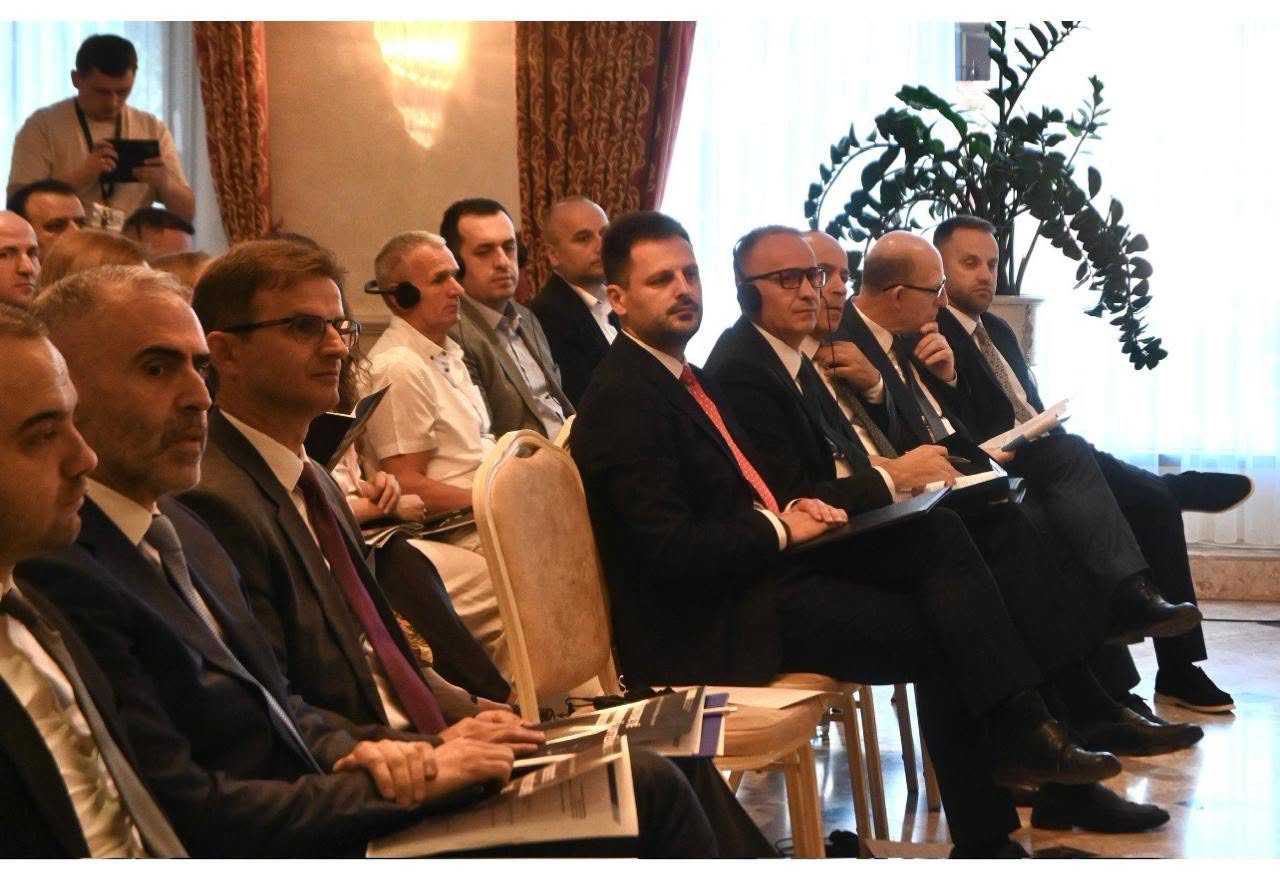
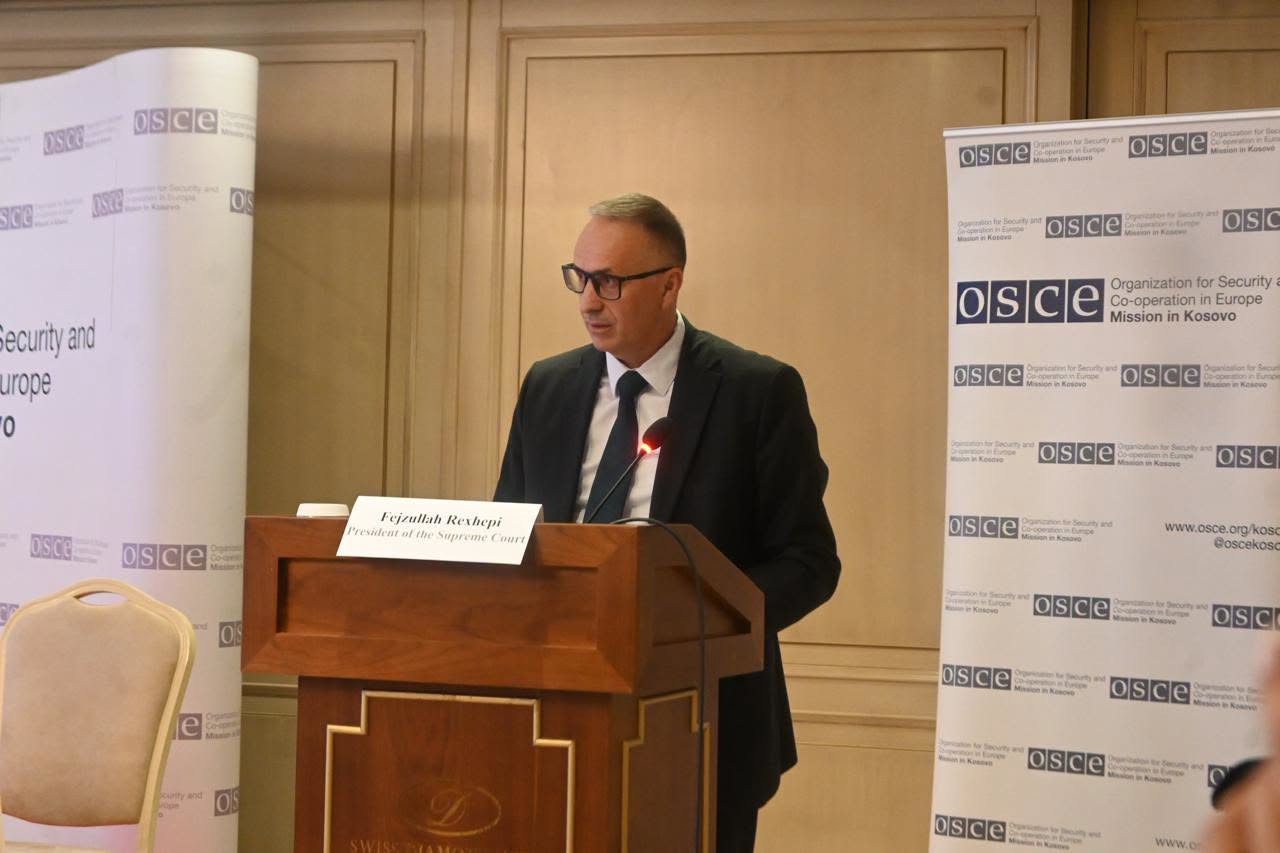
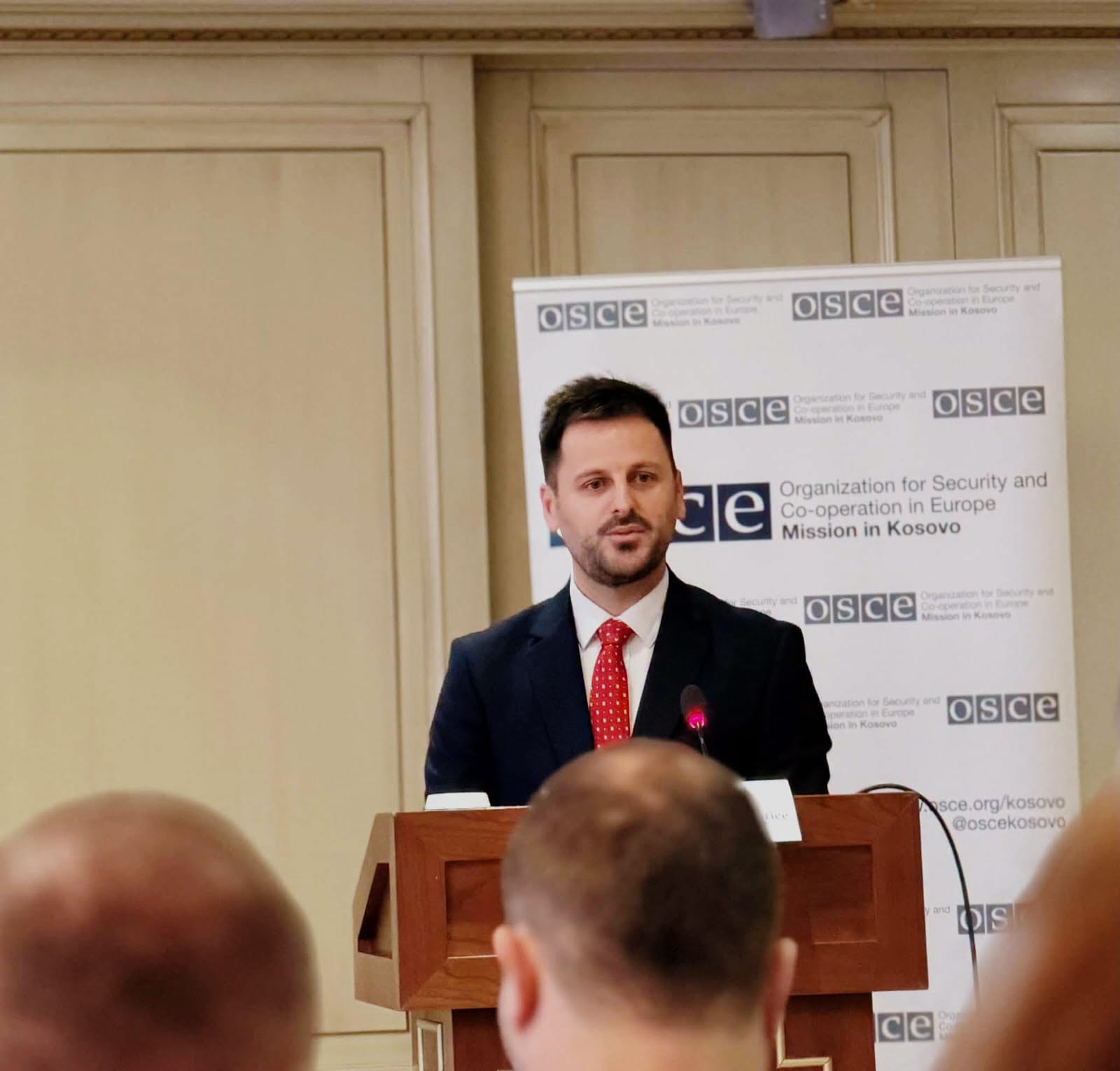
Participating at the event on the launch of the Kosovo War Crime Cases Trial Monitoring Report that was organized by the OSCE Mission, the Caretaker Deputy Minister of Justice Mr. Genc Nimoni emphasized the commitment of the Government of the Republic of Kosovo and the Ministry of Justice’s to strengthening the rule of law, advancing transitional justice and ensuring accountability for wartime crimes.
In his speech, Deputy Minister Nimoni appreciated the importance of the independent judicial processes monitoring as a key mechanism to increase institutional transparency, strengthen professional standards and increase citizens’ trust in justice institutions.
In this regard, Deputy Minister Nimoni said ever since they took office addressing war crimes and transitional justice was at the forefront of Ministry of Justice resulting in a series of reforms and concrete achievements, including the establishment and operationalization of the Institute for War Crimes in Kosovo, the drafting and approval of the Transitional Justice Strategy, amendments to the Criminal Procedure Code that enables trials in absentia for war crimes, strengthening the capacities of the Special Prosecution Office, as well as advancing the rights of victims of sexual violence during the war.
“Victim inclusion and a human rights-based approach have been guiding principles in the drafting of policies and measures, aiming for the voice and needs of victims to be at the center of transitional justice processes,” said Deputy Minister Nimoni.
He reiterated that the Ministry of Justice would continue to work on the effective implementation of the Transitional Justice Strategy, strengthening mechanisms for the investigation and prosecution of war crimes, strengthening inter-institutional cooperation and with international partners, as well as advancing the documentation and preservation of institutional memory.
In conclusion, the continued cooperation with the OSCE Mission in Kosovo and international partners was appreciated, emphasizing that the recommendations resulting from independent monitoring constitute an important contribution to strengthening the institutional culture of accountability, which increases not only the quality of judicial practice, but also public trust in justice institutions
Foto Galeria