
The Ministry of Justice remains committed to harmonizing legislation with European standards as the two-day workshop on effectively tackling cybercrime commences
Prishtina,
29/09/2026
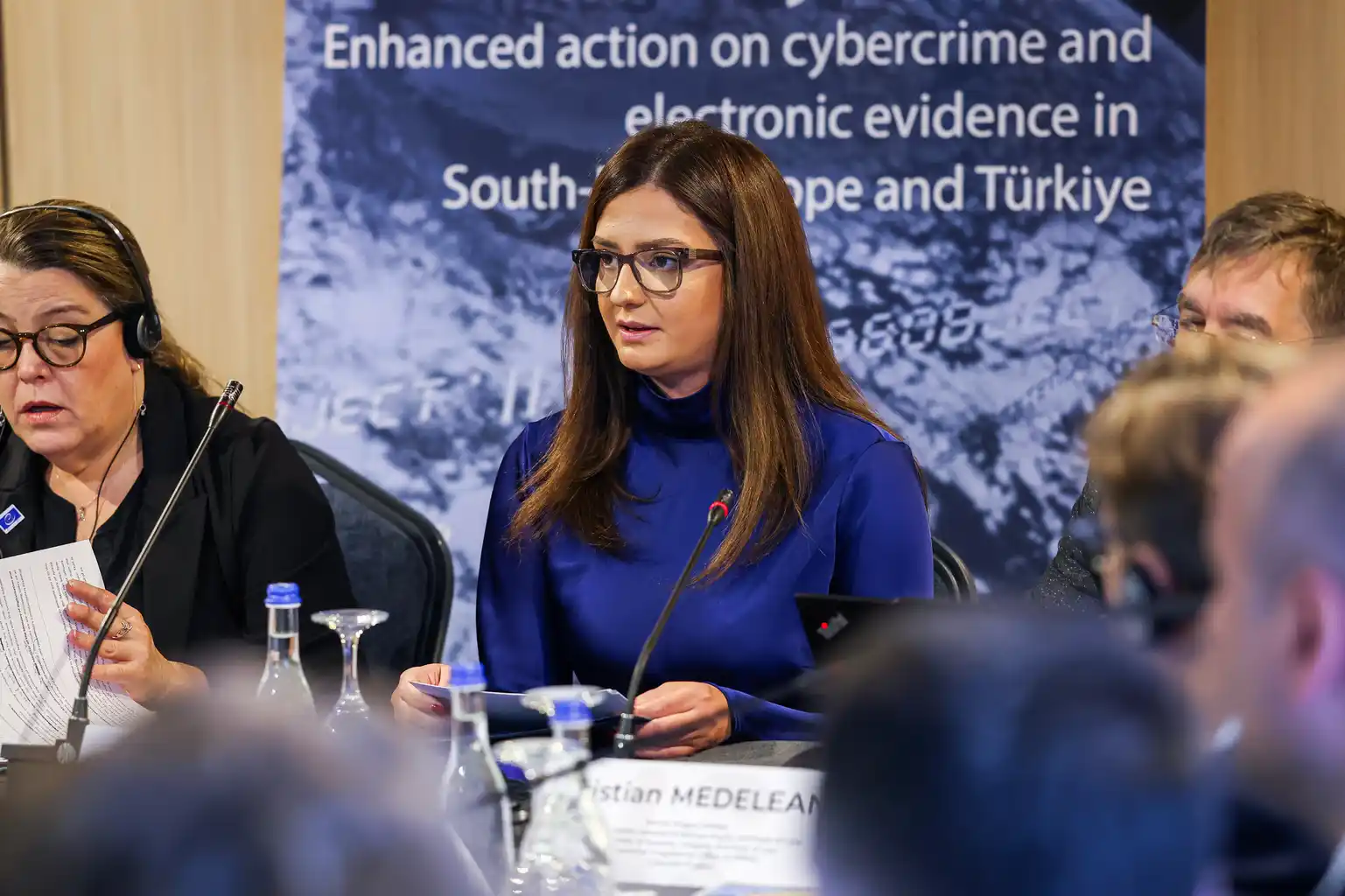
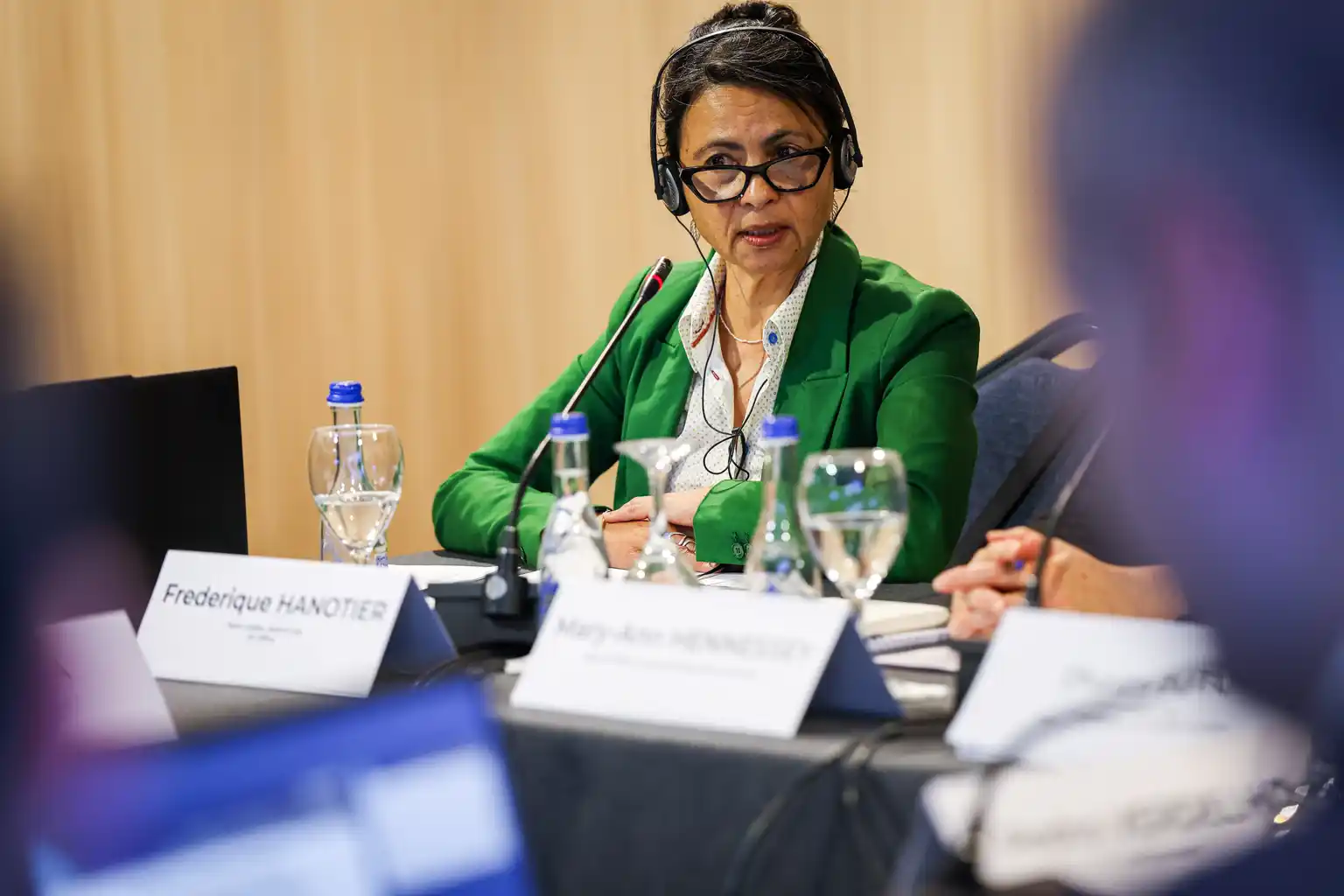
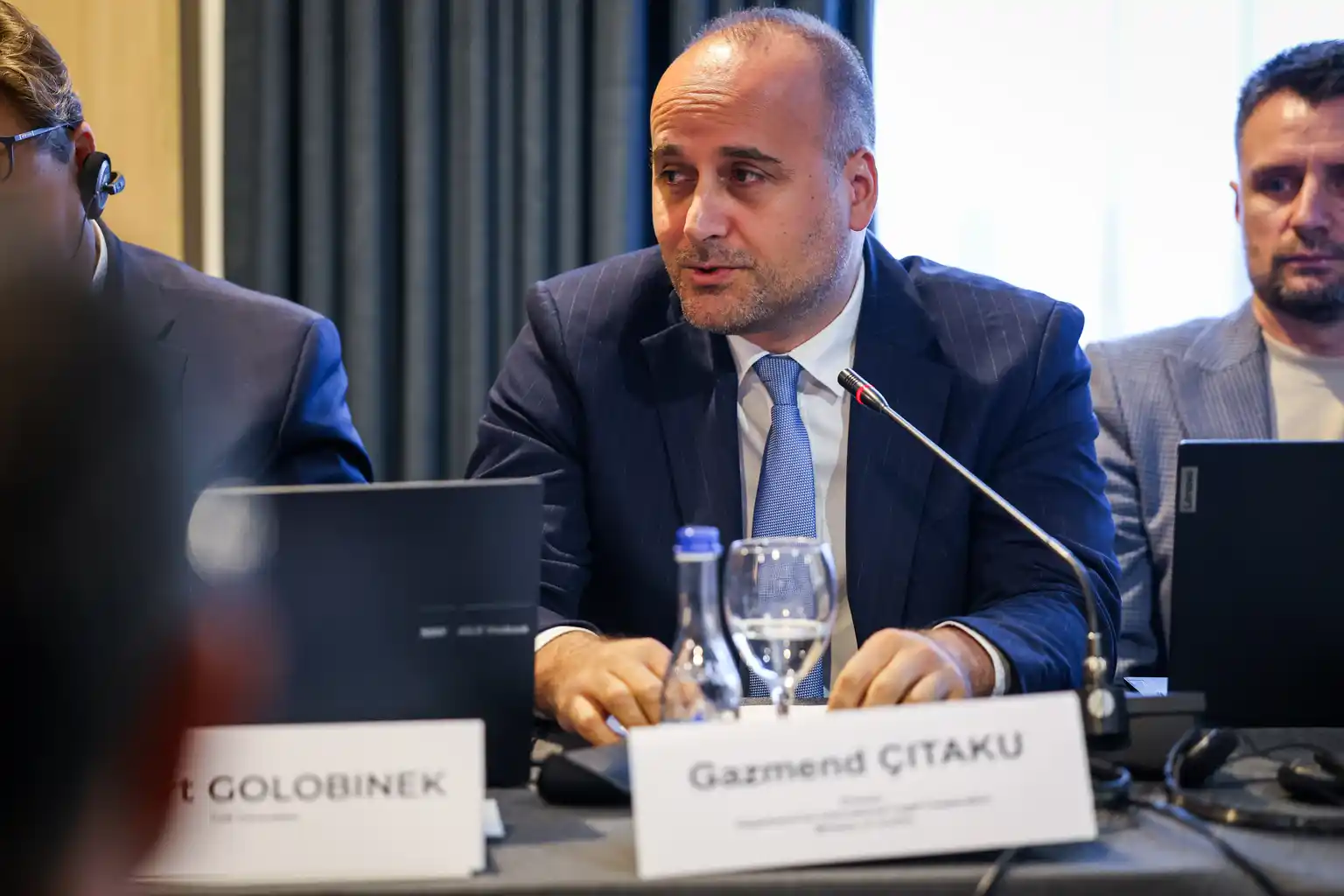
Dhurata Gutaj, senior advisor and chief of staff to the deputy prime minister and minister of justice, opened a workshop dedicated to supporting the promotion and implementation of the Second Additional Protocol to the Budapest Convention on Cybercrime, as well as assessing the domestic legislative framework. The event was organized by the Ministry of Justice in cooperation with the Council of Europe and the European Union through the CyberSEE project. In her opening remarks, she expressed gratitude for the continued support provided by the Council of Europe and the European Union to the Republic of Kosovo, particularly regarding the strengthening of the justice system and institutional capacities to combat cybercrime.
Highlighting the importance of digital transformation, the chief of staff Gutaj stated that digitalization is a priority for the Government of the Republic of Kosovo, and noted that the ministry of justice is committed to taking concrete steps toward digital transformation within the justice sector. Digital transformation in the justice sector remains a priority, and concrete steps are already being taken together with the responsible institutions and our partners.
Furthermore, it was emphasized that the development of digital services must be accompanied by robust measures to ensure security, reliability, and the protection of citizens and institutions. In this regard, the importance of the Second Additional Protocol to the Budapest Convention on Cybercrime was highlighted; this protocol aims to strengthen international cooperation and mechanisms for securing electronic evidence, particularly in cases where data is distributed across national borders. The Republic of Kosovo has taken steps to advance its legal framework and remains committed to further harmonizing domestic legislation with European standards and the requirements of the Second Additional Protocol.
Finally, Ms. Gutaj stated that effectively tackling cybercrime requires close cooperation among justice institutions, law enforcement and investigative bodies, agencies responsible for cybersecurity, and international partners, alongside the continuous development and enhancement of the professional capacities of investigators, prosecutors, judges, and professionals in the fields of justice and information technology.
Foto Galeria